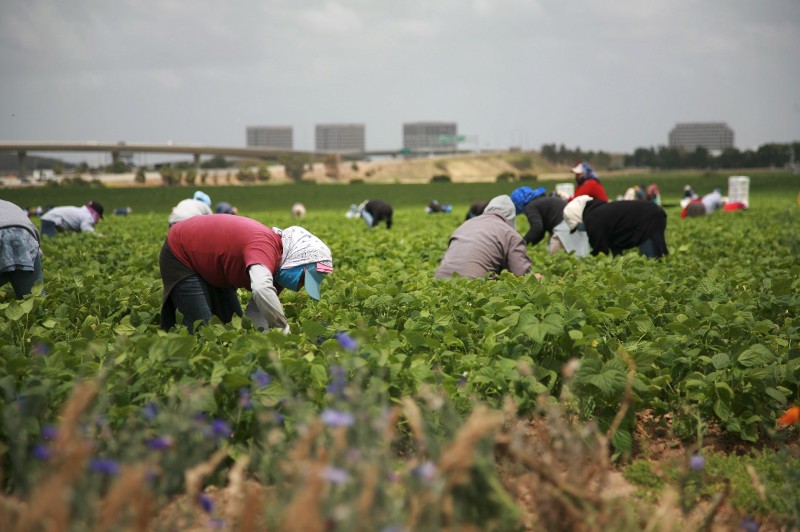
In an unanimous verdict delivered Thursday, a federal jury awarded $17 million to five female employees at the Moreno Farms packing plant in Florida after they suffered sexual harassment and retaliation by farm employers, the U.S. Equal Employment Opportunity Commission (EEOC).
According to the EEOC lawsuit, which was filed last August, two sons of the owner of Moreno Farms along with a third male supervisor regularly engaged in sexually harassment against female workers at the farm’s packaging house. The three farm personnel also allegedly threatened employees with termination if they refused sexual advances, attempted rape, and rape. But all five females say they were fired after they rejected the men’s sexual harassment.
“Having long been silenced by shame and fear, this trial offered these five women the opportunity to give voice publicly to their experiences and their desire for justice,” Beatriz André, EEOC’s lead attorney in the case, said in the press release.
The females would likely receive $2,425,000 in compensatory damages and $15 million in punitive damages.
Although these women were able to successfully sue Moreno Farms, many other female farmworkers are not as lucky despite being particularly susceptible to rape and sexual harassment in the agricultural industry. Hundreds of female agricultural workers have already complained about being raped and assaulted on the job, though law enforcement has done little to prosecute potential crimes, the Center for Investigative Reporting found in 2013.
Undocumented female farmworkers are the “perfect victims” to keep silent about the crimes that happen to them, worker advocates told the Center for Investigative Reporting. That’s because those workers are driven by the fear of deportation or job loss. In the case one woman in the lawsuit, she was eventually fired after she refused to have sex with a supervisor.
The win is a step forward for female farmworkers to feel safe at their workplace. What’s more, California Gov. Jerry Brown (D-CA) signed into law last year a bill that would require sexual harassment training for labor contractors, supervisors, and all farm employees. Prior to the law, only farm employers with more than 50 employees had to give their supervisors two hours of sexual harassment training every other year.