In March, a 27-year-old woman was brutally killed by a mob of men in the center of Kabul. Lawyers appointed by Afghanistan’s president have called for a retrial. The five-person panel found that the original trial — and the subsequent reversal of many of the sentences it handed down — represented a miscarriage of justice.
“Now that we’ve been through the case in detail, we’ve seen that there was no justice done in this case, and we’re going to demand of the Supreme Court that they make sure justice is done,” Najla Raheel, the panel’s chairwoman, told the New York Times.
In March, Farkhunda was beaten by a mob of 150 men, who burnt her body and threw it into the Kabul River. She was violently attacked after she confronted a peddler at a shrine about his sale of religious amulets. As a religious scholar herself, Farkhunda took issue with the false promises he made. In a bid to save his livelihood, the peddler reportedly began to shout that Farkhunda had burnt pages of the Quran. The charge riled visitors to the shrine who dragged her off its premise and began to beat her. Video footage of her brutalization went viral through Afghan social media.
The attack raised a massive public outcry. Female activists refused to let men touch her coffin after she was so brutalized by a mob of them, and so for the first time in Afghan history, only women carried Farkhunda’s body to her grave.

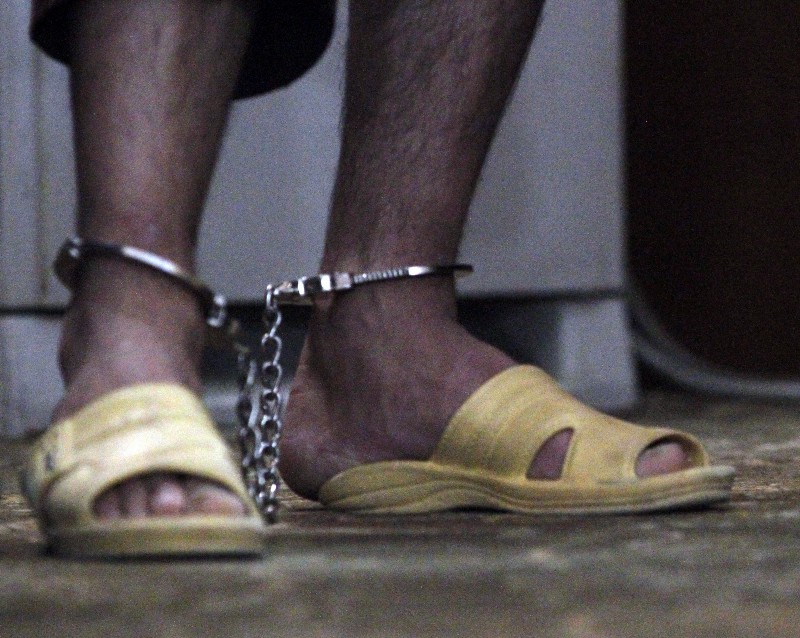
Of the 49 men who stood trial for the woman’s murder in May, only 12 were convicted. Four were sentenced to death and eight others to 16 years in prison. Then, in a secretive, closed-door trial in July, an appellate court overturned the death sentences, commuting them to 20 years in prison. None of the victim’s family members or lawyers were allowed to attend the hearing.
The five-person panel of lawyers was ordered by Afghan President Ashraf Ghani after news broke of the appellate court’s decision which was made in a closed-door session. The panel reviewed 2,000 pages of documents related to the case before demanding that the Farkhunda’s be case be tried again.
Kimberly Motley, an American lawyer who represented Farkhunda’s family in the initial trial, decried the appellate court’s decision on the matter as “outrageous.
“It shows that the judges are not interested in following the rule of law in Afghanistan,” she said. “It’s extremely disappointing that they would come up with this decision in such a secret way.”
Raheel, the chairwoman of the panel, said a retrial should include Farkhunda’s lawyers. She pointed to the reversal of sentences as unacceptable examples of how justice was undermined behind closed doors. The custodian of the shrine where Farkhunda confronted an amulet peddler was completely pardoned by the appellate court, she told reporters.
“He’s not even in jail, but he instigated the whole episode and yet the appeals court completely pardoned him,” she said.
According to witness testimony, Mohammad Omran, the shrine custodian, was the first to falsely accuse Farkhunda of burning pages of the Quran along with Zain-ul-Din, the amulet peddler she confronted. Zain-ud-Din, was originally sentenced to death but had his sentence reduced to 20 years in prison by the appellate court.
The appellate court accepted claims that Farkhunda was dead before she was assaulted by the men previously sentenced to death, despite the fact that they hit her head with a massive rock and set her on fire.
A date for a retrial has not yet been set.