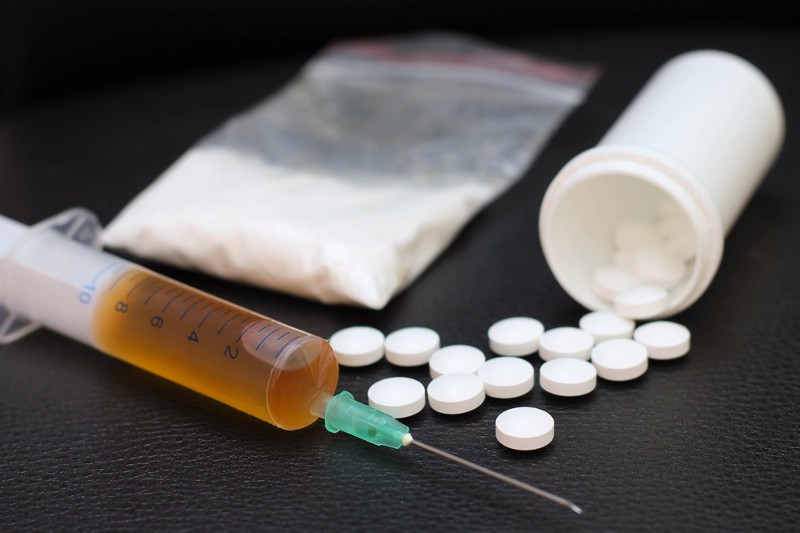
Drug addiction dominated the news cycle in recent months and years, with the prescription painkiller and heroin epidemics gaining coverage and much of the nation’s attention turning to Indiana amid an HIV outbreak spawned by the use of intravenous drugs.
Discussion about this prominent public health issue has prompted lawmakers to act quickly. In March, the Obama administration announced a three-part plan that includes the expansion of drug treatment and Food and Drug Administration-approved medication that’s estimated to cost $133 million in new spending. Congressmembers on both sides of the aisle also introduced legislation that aims to better educate doctors about safely prescribing opiates.
Largely left out of the conversation, however, is access — or the lack thereof — to addiction treatment. Even though American overdose deaths surpass deaths from car accidents and other injuries, only 11 percent of the 22.7 million Americans who needed drug or alcohol treatment in 2013 actually received it, according to data compiled by the Substance Abuse and Mental Health Services Administration.
“We know addiction treatment saves lives, reduces drug use, reduces criminal activity and improves employment,” Paul Samuels, president and director of the Legal Action Center, which advocates on behalf of people with HIV or addiction, told USA Today. “The data is there, the evidence is in, but our public policy has not caught up with the science.”
Substance abuse costs the nation more than $600 billion annually, according to the National Institute on Drug Abuse. Right now, two cents of every dollar spent to combat abuse goes to treatment, with the rest paying for hospital care, jails and courts, according to a report from a Columbia University addiction center.
Experts say that preventing addiction, rather than simply reacting to it, could have great social and health benefits that translate into cost savings, specifically when it comes to the criminal justice system. Estimates show that every dollar invested into an addiction program yields between $4 and $7 in reduced drug-related crime, criminal justice costs, and theft. Ultimately, savings will eclipse initial costs by a 12 to 1 ratio, mainly through the reduction of interpersonal conflicts, overdoses, and death.
For years, the philosophy of prevention hasn’t gained much popularity, due in part to the stigma around addiction. While scientists define addiction as a brain disorder, one in three Americans thinks it’s caused by a lack of willpower. These views about people reeling with drug use often cause social service providers and other actors to cut off resources that may aid them in kicking their habit. Lawmakers who support drug tests for welfare recipients, for example, have based their policy priorities in misconceptions about drug abusers’ work ethic, rather than addressing the factors that may have caused them to initially form their drug habit.
The drug addicts who seek treatment face similar hurdles in financing their therapy, depending on the type of insurance they hold, if any. For example, those with private insurance are six times less likely to get timely and consistent treatment than their counterparts who have Medicaid. But Medicaid holders aren’t out of water just yet. Programs in 17 states don’t pay for long-term methadone treatment under what’s called the Essential Health Benefits framework, which defines benchmark plans for each state, often leaving some medications off the list of Medicaid plans cover.
Even health care reform hasn’t sufficed in linking addicts to sustainable treatment. While the Affordable Care Act mandates that insurance holders receive coverage for substance abuse and mental health treatment, a recent National Alliance on Mental Illness report found that patients are denied substance abuse treatment with plans that limit their doses of medication or the length of time they can receive help. High out-of-pocket costs often keep patients from maintaining a treatment regimen. The report also found that more than half of the medications examined weren’t covered by insurance providers. These coverage issues also affect doctors, many of whom remain reluctant to treat addicts out of fear that they won’t be reimbursed.
While most doctors can’t tend to patients, an increasing number have done their part to ensure that addictive medication doesn’t end up in the wrong hands. A study published in JAMA Internal Medicine last year found that 9 out of 10 doctors expressed concern about opioid addiction, with half of them cutting back on the painkillers they prescribed. Before this change in the tide, painkiller prescriptions nearly tripled over the last two decades, even as addictions rose across the country.
Some municipalities have also decided to take matters into their own hands, recognizing that preventing addiction and overdose deaths is an interdepartmental goal. A $100,000 grant awarded to a Massachusetts town will allow health officials to prevent the opioid addiction problem among teenagers with a program that tackles underage drinking — an activity known to precede painkiller abuse — and expand prevention materials. Other strategies in the program include prescription take-back days, social marketing campaigns targeted toward youth to help them make the right decisions, and the dissemination of information about where to find Narcan, a substance that has been proven to prevent overdose deaths.
“With our communities on the front lines of prevention and treatment, these grants will offer additional tools to educate and respond to substance abuse, including our growing opioid epidemic,” Masschusetts Lieutenant Governor Karyn Polito told MassLive.com. “Starting as early as possible to educate on the risks and responsibilities our young people have is just one step in the road we have ahead in preventing substance abuse.”