As the extended deadline nears the likelihood of a nuclear deal with Iran is “less than 50/50”, Politico reported Wednesday.
“[Obama] said the chances he thought were less than 50–50 at this point and that he wouldn’t agree to something he thought was weak or unenforceable,” Sen. Dick Durbin (D-IL) told POLITICO on Wednesday. “But if he comes up with an agreement and it meets his standards he wanted us to take an honest look at it and not prejudge.”
The Obama administration, along with Germany, France, Russia, China, and the UK, is locked in negotiations with Iran over their nuclear program after the original June 30 deadline was missed. Should a deal not be reached by midnight on June 9 then Congress will have 60 days — as opposed to the original 30 — to review the deal and vote it down should they see fit.
“The biggest sticking points include issues such as a United Nations arms embargo, U.N. missile sanctions, the speed of sanctions relief, and research and development on advanced nuclear centrifuges,” Reuters reported on Wednesday.
Throughout the negotiations, experts have said they believe a deal will be reached.
The Obama administration and the Iranian’s supreme leader are thought to want to reach a deal but both sides are facing staunch opposition by conservatives in their respective countries and abroad.
“What we want to make sure of is that we continue to …keep in place, an agreement that freezes Iran’s nuclear program, rolls it back in some key areas, while we continue to have these conversations,” White House Spokesman Josh Earnest said Tuesday.
One of the most contentious issues has been getting Iran to allow international inspectors into their nuclear sites. While the Obama administration has argued that they won’t accept a bad deal, a notion reiterated by the president Wednesday, critics fear that too many concessions will be made simply in order to say that a deal has been reached.
“I think it would be impossible for him to deliver a good deal because he’s a flawed negotiator in the eyes of the Iranians,” Republican Presidential Candidate Lindsey Graham told the Wall Street Journal on Wednesday.
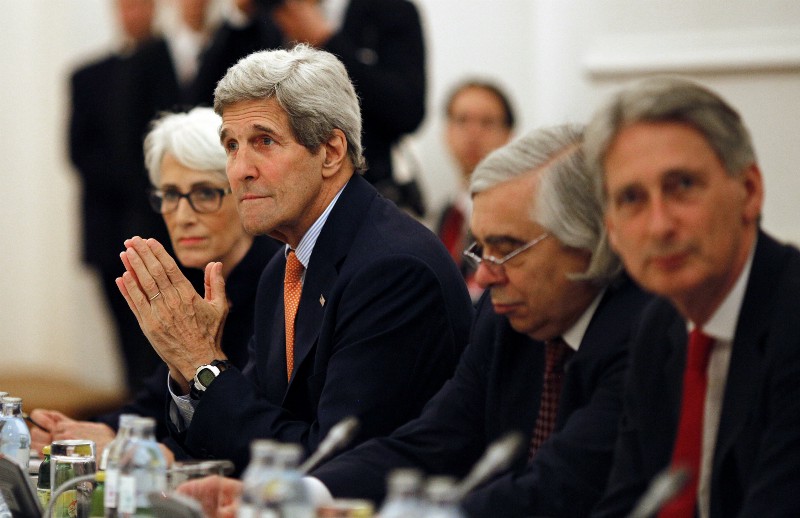
While most officials have returned to their respective capitals, Secretary of State John Kerry and Iranian Foreign Minister Javad Zarif have stayed behind in Vienna to push through remaining obstacles. Joining them is EU foreign policy chief Federica Mogherini.
Western diplomats told Reuters that Kerry and Zarif engaged in a heated exchange of words on Monday night over UN sanctions that Tehran wants removed.
“Seems like you had a constructive meeting last night; the whole hotel could hear you,” German Foreign Minister Frank-Walter Steinmeier reportedly told Zarif, according to IRNA, an Iranian state run news agency.
Iran has maintained since the start that they want nuclear capabilities for peaceful purposes but western countries and some of their allies doubt the regime’s sincerity. Iran appears desperate to remove economic sanctions that have crippled the country’s healthcare system, increased cost of living, and hit the lower classes the hardest. Additional pressure is on Iran as the longer talks go on the further oil prices in the country will fall.
While neither side appears ready to concede, western diplomatic sources told AFP that a deal may not be far off.
“It’s doable by tomorrow night (Thursday) if talks advance this evening,” the source said.