Prisons in Hinds County, Mississippi, will see sweeping reforms under a new agreement unveiled Thursday by the Department of Justice.
The deal requires the local government to address human rights abuses uncovered in its jails last year by the DOJ Civil Rights Division. Local and federal officials hope the changes will reduce recidivism and lower the county’s incarceration rate.
The county had previously violated inmates’ civil rights by holding them past their release dates and not adequately protecting them from physical harm, the DOJ found in 2015.
The deal will both cure those violations and require Hinds County to provide new resources to inmates to help them re-enter society upon release. The deal creates a “criminal justice coordinating committee” which will help ex-convicts to find housing, jobs, and mental health care so they are less likely to return to jail.
The coordinating committee will also develop alternative ideas to incarceration and try to reduce the number of arrests through diversion programs that connect young at risk individuals and mentally-ill people with services, such as an consultant who will provide advice on diverting people from jail. The task force will be made up of local officials, mental health experts, and community members.
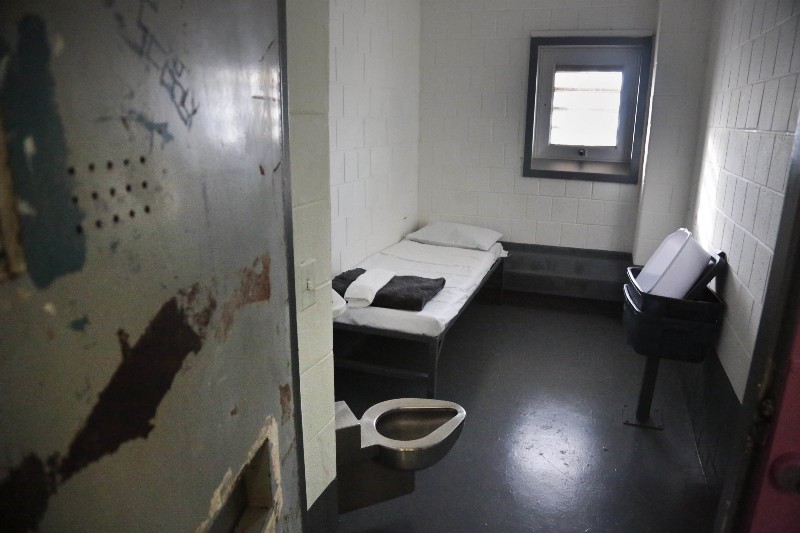
The agreement forces Hinds County to minimize the use of solitary confinement for those it jails and reduce jailing people who can’t pay court-ordered fines. The county will also jail fewer juvenile and mentally ill offenders under the agreement.
These local reforms reflect a broader, ongoing effort to correct deficiencies in the American criminal justice system. Criminal justice reform has seen increased traction recently, with both Democratic presidential candidates emphasizing prison reform in their campaigns. Congress is currently debating a bill to reform mandatory minimum sentencing laws that incarcerate millions of people, most of whom are black.
One in 35 adults are in some sort of correction control, the American Civil Liberties Union (ACLU) found.
And once people are incarcerated, it is difficult to stay out of prison. http://archive.thinkprogress.org/economy/2015/08/02/3686990/loretta-lynch-prison-visit-goucher-college/
More than half of released inmates are rearrested within a year of being released, according to the National Institute of Justice (NIJ). That percentage jumps to over three-quarters within five years of being released, the NIJ found. Mental health issues and lack of education are among the factors that have been shown to cause recidivism.
The agreement could help reverse that trend in Hinds County. One study showed programs that help former inmates find jobs and housing reduced recidivism by six percent.
Arts and educational programs, such as Shakespeare Behind Bars, have also been s hown to reduce recidivism. In addition, prison education and pell grants have also been shown to reduce recidivism. The White House just announced an experimental program to give inmates pell grants by combining federal college grants with universities that will provide prison inmates an education.
Such alternative measures to the strictly punitive mode of incarceration that’s become commonplace in the United States will likely reduce the cost of the criminal justice system.
Taxpayers now spend $212 billion per year jailing their fellow citizens. Studies have shown that alternatives to incarceration are less expensive than keeping someone is prison. For example, one study showed community-based services in Texas cost an average of $12 a day versus $137 for a jail bed.