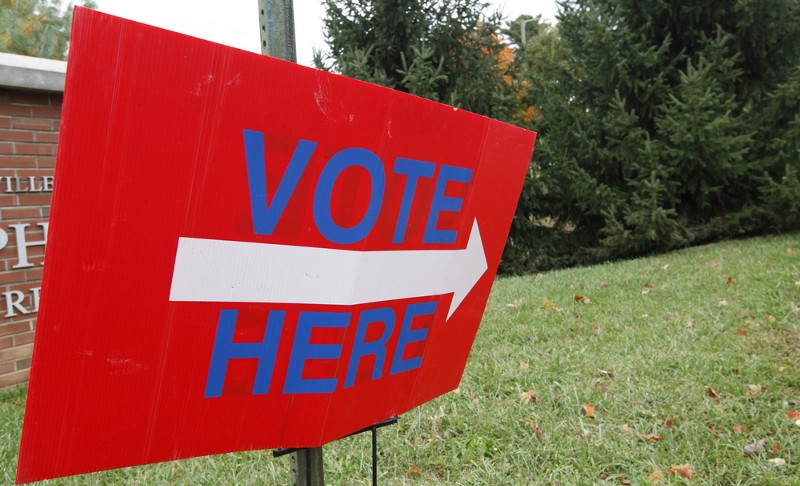
As conservatives continue to back voter suppression measures around the country, a major progressive initiative to advance voting rights is on the cusp of becoming law in Oregon.
One main barrier to casting a ballot is that our elections require two separate steps: first you must register to vote, then you actually vote. If, like many Americans, you aren’t paying close attention until just before the election, or if you recently moved and haven’t gotten around to re-registering, it’s already too late to register in most states. In Oregon, for example, a citizen must register to vote 21 days before the election, otherwise they’re out of luck.
But a new proposal will change that dynamic for hundreds of thousands of Oregonians, easing barriers to the ballot box and enabling more people to take part in the political process. Here’s how.
Under HB 2177, a first-of-its-kind measure just approved by the Oregon legislature, anyone who signs up for a driver’s license is automatically registered to vote. Though the bill mandates that county clerks send postcards to newly-registered individuals, giving them a chance not to be registered and allowing them to choose a political party affiliation, if they desire.
Behavioral psychologists call this an opt-out, rather than opt-in, system. In other words, the default is that Oregon citizens at least 17 years old will be registered to vote when they get their driver’s license, but the option to remain unregistered still exists. Opt-out systems tend to lead to much higher participation, as famously shown with studies on organ donation rates.
Officials estimate that HB 2177 will add around 300,000 Oregonians to the state’s rolls, according to The Oregonian, boosting statewide registration numbers by nearly 15 percent. Anyone in the future who receives a driver’s license (or who received one from 2013 on) will be registered to vote.
The Oregon Senate approved the bill last week by a mostly-party line 17–13 vote. One Democrat, Sen. Betsy Johnson, voted against the measure, just as she did two years ago, scuttling the bill in 2013 by a single vote. It passed the State House 35–24 in late February.
Gov. Kate Brown, who as Secretary of State first proposed this measure in 2013, has announced that she will sign the bill when it reaches her desk.