Saudi Arabia could have a hard time using its anti-terror coalition, comprised of predominately Muslim nations, considering some of the member states weren’t aware such a coalition exists.
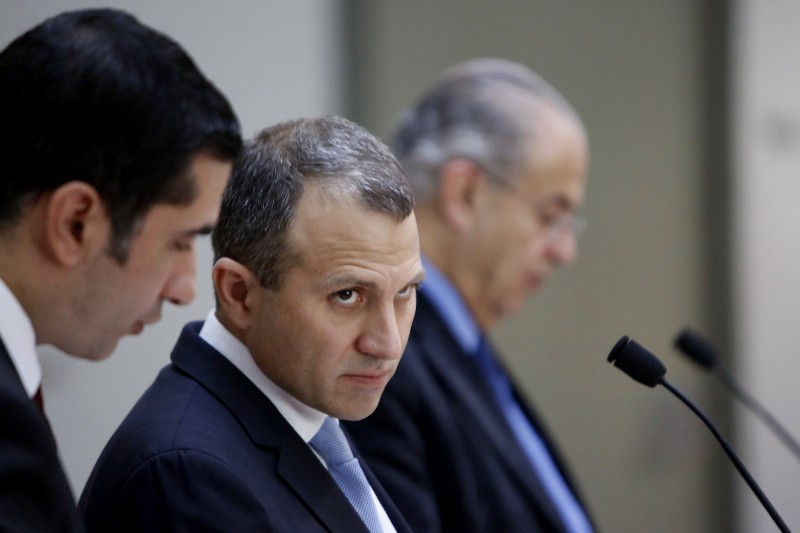
At least two nations said they were taken by surprise by the Saudi announcement that they were part of a 34 nation coalition. Pakistani Foreign Secretary Aizaz Chaudhry said he had to contact the embassy in Saudi Arabia to learn more about their participation in the coalition, while the Lebanese foreign minister claimed his country was not a member. The Lebanese prime minister later clarified that they would be apart of the Saudi-led alliance, though the foreign ministry (currently ran by a pro-Iran/Syria minister and clashes with the pro-Saudi PM) says they weren’t consulted.
“The Ministry of Foreign Affairs emphasizes that this move undermines Lebanon’s distinguished stance on the definition of terrorism and the classification of terrorist organizations,” a statement from the ministry said.
The Pakistanis, meanwhile, are still waiting for clarification. Pakistan rejected Saudi attempts to include it in the coalition fighting against the Houthis in Yemen earlier this year. The country has remain steadfast in its opposition to getting involved in Middle Eastern conflicts.
“We are not looking for any involvement outside our region,” army spokesman Lt Gen Asim Bajwa said in November.
The coalition allegedly includes Bahrain, Bangladesh, Benin, Chad, Comoros, Cote d’Ivoire, Djibouti, Egypt, Gabon, Guinea, Jordan, Kuwait, Lebanon, Libya, Maldives, Mali, Malaysia, Morocco, Mauritania, Niger, Nigeria, Qatar, the Palestinians, Pakistan, Senegal, Sudan, Sierra Leone, Somalia, Togo, Tunisia, Turkey, the United Arab Emirates, and Yemen.
Yet, even if the other 32 countries are fully committed to the cause, few details were provided regarding how these countries would fight terror.
“[The coalition] seemed to have been cooked at the last minute,” Carnegie Middle East Centre’s Farea al-Muslimi, told AFP, adding that the coalition appears to be an attempt to ease international pressure on Saudi Arabia to deal with domestic ideology that allegedly inspires extremism throughout the Middle East.