More than a dozen neglected tropical diseases affect more than 1 billon people globally, a qualifier that the World Health Organization (WHO) says makes them more than deserving of the world’s attention.
This week, the public health arm of the United Nations implored countries to invest billions of dollars to tackle a host of sicknesses — including dengue fever, rabies, and Guinea worm disease — that kill nearly 500,000 people around the world annually. WHO Director General Margaret Chan said the recommended investment of $34 billion over the next 16 years would help officials treat the diseases and combat the agents that spread them.
“Increased investments by national governments can alleviate human misery, distribute economic gains more evenly and free masses of people long trapped in poverty,” Chan told the Associated Press.
This push for increased funding comes nearly two years after WHO adopted a resolution to urge its member countries to take ownership of prevention programs, expand intervention, and ensure long-term financing of activities that would strengthen their capacity to tackle the 17 tropical diseases under scrutiny. The resolution also called for the integration of disease control programs into primary health care services in sub-Saharan Africa, Latin America, the Middle East, and Central Asia — regions where neglected tropical diseases run prevalent.
Since then, the WHO has reported some progress toward decreasing cases of sleeping sickness, Guinea worm, leprosy, and visceral leishmaniasis, which is a disease transmitted through the bites of infected female sandflies.
Parts of West Africa — including Nigeria, Niger, and the Ivory Coast — have rid themselves of the Guinea worm altogether. And in 2011, Columbia became the first country in the world to declare itself free of onchocerciasis, a disease that causes blindness. Pharmaceutical companies have also joined in on the action, donating nearly 1.35 billion treatments to combat tropical diseases in 2013, an increase of 35 percent from the previous year.
However, much work remains to be done in quelling the spread of these diseases globally — especially since they can spread rapidly.
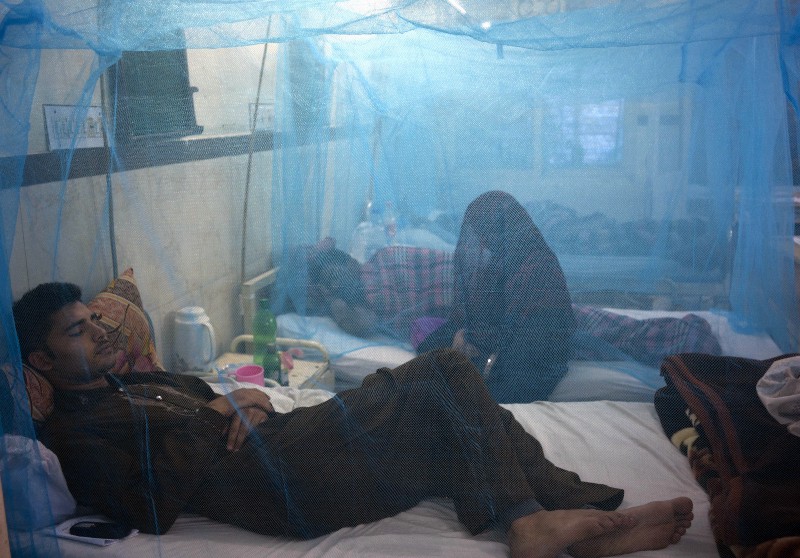
The mosquito-borne tropical illness Dengue fever, for example, took more than 40 Malaysian lives less than six weeks into the New Year. The country reported more than 15,000 cases nationwide, an increase of more than 6,000 from the previous year. Another sickness by the name of the buruli ulcer — a chronic skin and soft tissue infection that causes permanent disfigurement and disability — affects more than 6,000 people in South Africa, Australia, China, and Japan annually. Over the past year, malaria plagued West Africa much worse than usual because of the shift in resources to combat Ebola.
Rabies, a viral disease for which a cure is readily available in the United States, has also ravaged much of Africa and Asia. More than 2.5 billion people living in the Motherland reside in a country that has no preparation system in place to tackle the disease that inflames the brain to the point of death. Part of the issue, according to some biologists, stems from the absence of an accurate reporting system that could help doctors provide access to lifesaving medical treatment.
“Because most rabies endemic countries don’t collect accurate data on the number of people dying from the virus, they fail to adequately invest in its control. An appreciation of the scale of the problem can help countries prioritize control of this disease,” Dr Louise Taylor, a biologist with the Global Alliance for Rabies Control and author of the first global survey of the rabies reporting systems, told MedicalXpress.
The same could be said for the other tropical diseases under the WHO’s scope. Data collection systems often fall short in keeping track of many of them because of lack of interest and a notion among public health officials that they’re more costly and difficult to shadow. During an interview with the Associated Press, the Liverpool School of Tropical Medicine’s David Molyneux said that even with an influx of funding, sustainability of efforts to track and eradicate neglected tropical diseases will remain an issue, especially after countries see some improvement by 2036.
Bernard Pécoul, executive director of the Drugs for Neglected Diseases Initiative, shared Molyneux’s sentiments. In a March 2013 article that he published not long after WHO adopted resolution WHA66.12, he said that public health organizations should not let up the fight against neglected tropical diseases, even with recent signs of progress.
“While there is clear momentum and engagement by new actors, the efforts and resources of these actors must be used wisely and in a defragmented fashion, especially in the context of financial and funding crises the world over,” Pécoul said.
Pécoul continued: “We still have yet to see new breakthroughs in hand that will truly change the course of some neglected diseases and save the lives of neglected patients. As these long-ignored patients continue to wait, we must not retreat in our efforts.”