When it comes to the storylines you’ve come to expect from network television, abortion probably isn’t high on the list. It’s a topic that’s often considered too political or controversial for casual entertainment. But in 2015, some popular TV shows started to change that.
“This year, we saw some more abortions in prime time and they were on pretty popular shows,” Gretchen Sisson, a researcher at the University of California, San Francisco, told ThinkProgress.
When TV characters face an unintended pregnancy and decide whether to have an abortion, Sisson pays attention. Along with her colleague Katrina Kimport, she has been studying representations of abortion in pop culture for several years by now. Sisson and Kimport’s review of abortion storylines that appeared in television shows between 2005 and 2014 was published online in the Contraception journal this month.
Although their published research doesn’t include data from 2015, the pair has also been tracking abortion on TV this year — and noticing some interesting trends.
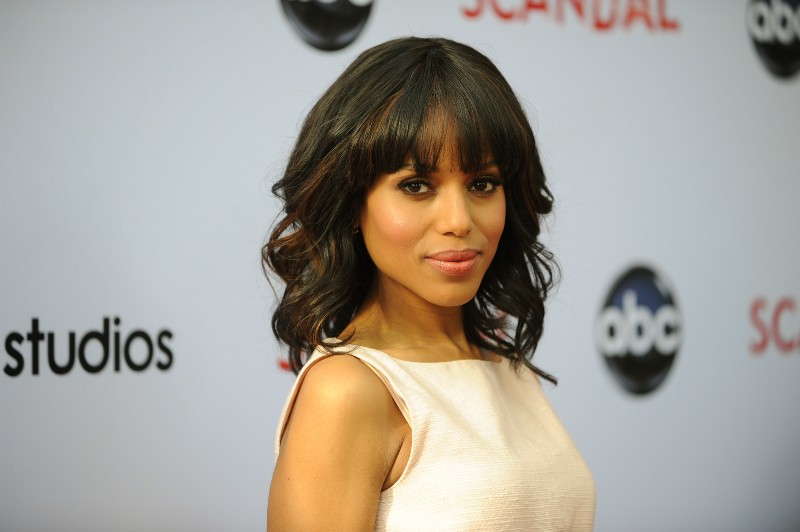
For instance, 2015 brought three instances of characters actually having abortions on screen for the first time: One medication abortion on Jessica Jones and two surgical abortions on Scandal. Instead of hinting at the abortion with a shot of a woman in the waiting room of the doctor’s office, the shows portrayed the actual mechanics of the procedure, showing characters swallowing pills and having tools inserted between their legs.
“Actually showing a doctor performing an abortion — that’s new this year,” Sisson said. “We have seen illegal abortion procedures before, but this year we saw actual modern-day doctors performing abortion in somewhat accurate ways.”
The abortion procedures on Scandal still don’t perfectly reflect the majority of U.S. women’s experiences. Most women have abortions in clinic settings, while the characters on the ABC show looked like they were on operating tables in hospitals, an unnecessary over-medicalization of the procedure. Nonetheless, Sisson said that show creator Shonda Rhimes — often praised for the way she tackles women’s issues — deserves a lot of credit for leading the way in this area.
“Shonda Rhimes is an incredible champion for including abortion as part of women’s lives, and she has established that this is an acceptable thing to include in popular shows,” Sisson said. “She’s really broken that ground for other TV executives. I think people are now recognizing that it’s a way to make their storylines more interesting and more realistic.”
2015 also signaled somewhat of a change in the way that on-screen characters respond when they’re confronted with pregnancy decisions.
This year, abortion wasn’t always portrayed as a dramatic or life-altering decision. In this season of HBO’s Girls, for example, one character casually mentions the fact that she recently had an abortion, a decision that she didn’t talk over with her boyfriend and that she defends against his negative reaction once he finds out. In the CW’s Jane the Virgin, one character calmly advises another to get an abortion rather than follow through with a pregnancy that was conceived through deceptive means. And on Scandal, Kerry Washington’s character gets an abortion without any discussion about the procedure whatsoever.
“We’re seeing more abortions treated as matter-of-fact and unapologetic. We’re not seeing a lot of the agonizing decision making that we would have seen even five years ago,” Sisson said. “Abortion is being shown a little more like just another part of women’s reproductive lives.”
It’s a welcome shift for reproductive rights advocates, who have long argued that inaccurate pop culture representations of abortion affect Americans’ attitudes about the issue. For instance, Sisson and Kimport have previously found evidence that abortion is portrayed as more dangerous on the screen than it is in real life, which could contribute to the political fiction that abortion needs to be more tightly regulated.
Just this week, when Girls creator Lena Dunham interviewed Planned Parenthood president Cecile Richards for the latest installment of her “Lenny” newsletter, Richards said that changing the stigma around abortion ultimately needs to involve pop culture.
“The more that people can actually use creativity and art and culture to change the norms, it just has a profound effect,” Richards said. “So whether it is people talking honestly on Girls about abortion, or Kerry Washington’s character having an abortion on Scandal, those are the things that people begin to normalize. Normalize and get out in the open stories that have just been shut down for so long.”