At the same time Corinthian Colleges, Inc. was luring ambitious people into overpriced classes for underpowered degrees, the now-bankrupt company was also funding one of the most prominent secret-donor organizations on the Republican side of the election-influencing industry.
The company still owes money to Crossroads GPS, according to a bankruptcy filing that lists every person and organization to which Corinthian is indebted. The list also includes a variety of D.C.-area heavy hitters like the American Enterprise Institute and the U.S. Chamber of Commerce, according to The Intercept, which was first to report the Crossroads/Corinthian tie.
In some ways it’s a natural marriage. For-profit colleges have frequently found support from Republican elected officials in the past, and Crossroads exists to ensure that Republicans win as many elections as possible. The schools also make a lot of money for the wealthy individuals and major financial institutions that invest in them, and those groups lean right in their donations as well.
The filing paints a fuller picture of Corinthian’s efforts to influence lawmakers and regulators than was previously understood. For-profit colleges spend a lot of money on lobbying efforts because their ability to make money relies upon continued access to federal financial aid dollars. While it’s sometimes possible to trace the connections between company donations and congressional debate — the company’s publicly reported lobbyist spending spiked dramatically in the months before a Department of Education decision last summer to restrict Corinthian’s access to federal money, for example — The Intercept’s report indicates that for-profits are also playing an active role in supporting the cloak-and-dagger side of the political money universe.
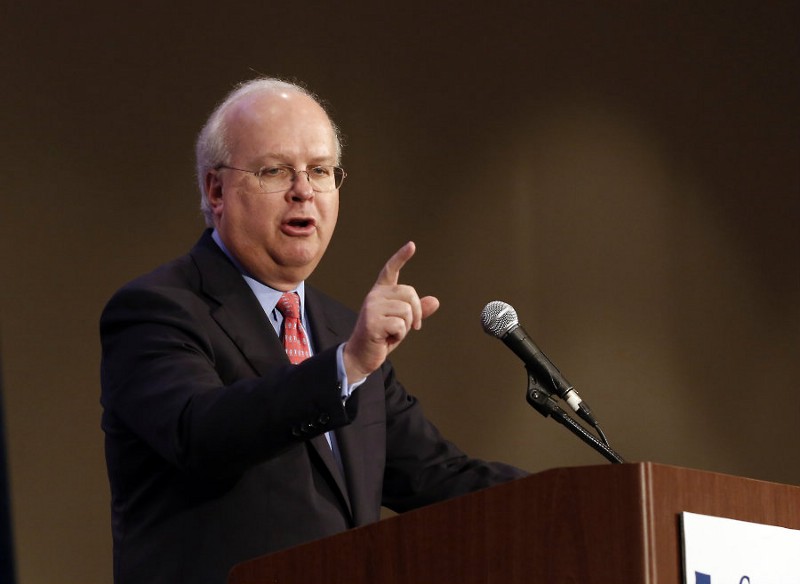
Crossroads GPS channels vast sums from anonymous, wealthy donors into unavoidable TV and radio ads targeting Democrats. The group ran 19,670 TV ads in the final 12 weeks of the 2010 midterm election, its first year in existence, and has only increased its volume in subsequent cycles. As a 501(c)4, the Karl Rove-founded group has no obligation to reveal its funders and no upper limits on what people and companies can give.
The connection between who wins seats in Congress and how much freedom for-profit colleges will have to conduct their business is so strong that stock prices for the largest companies in the industry surged in the 48 hours after the GOP won control of the Senate last November. But regardless of who wins, the companies work hard to ensure their interests shape legislation. Corinthian’s registered lobbyists spent trying to kill the gainful employment rule, a Department of Education regulation that would cut off federal money to schools that fail to routinely graduate students who find jobs that pay well enough for them to stay current on their student loans. Regulators finally rolled the rule out late last fall, but only after years of resistance, criticism, and tinkering by industry-funded members of Congress like Rep. Virginia Foxx (R-NC).
At the same time that it sought to slow and weaken such rules, Corinthian itself was manipulating statistics on graduate job placement rates. Cheating on those statistics is what eventually caused the company to collapse, but it took most of a decade. Multiple investigations turned up evidence that it routinely falsified the job placement rate statistics it used in marketing materials. Some campuses even bribed nearby businesses to create make-work positions for their graduates so that they could be counted in job placement reports to the government, even though the companies would lay them off a month later. With investigations ongoing, the company was allowed to keep signing students up for degrees that are less respected and far more expensive than a community college equivalent.
The company’s pattern of abusive behavior has motivated a large and growing group of current and former Corinthian students to launch an unprecedented “debt strike,” refusing to make payments on their loans until the Department of Education agrees to cancel the debts. Since the Department itself collected vast evidence that Corinthian routinely defrauded its customers in its recruiting materials, the effort has been hard for the feds to ignore. But the strikers walked away from a scheduled meeting with Education Secretary Arne Duncan this week for fear of appearing to sign off on a proposed case-by-case review of student claims that they do not in fact support.